Choosing the right roof for your home involves more than looks. The type of material you choose can influence the strength of your property, whether it is energy efficient, how you maintain it, and, of course, how much it would cost you. With this in mind, there are several kinds of roofing materials, and knowing the characteristics of those materials may help make the right choice.
In this guide, you will learn what types of roofing exist, how to pick the right kind of material for a specific purpose, and what you need to pay attention to before making a final choice.
What Are the Different Types of Roofing?
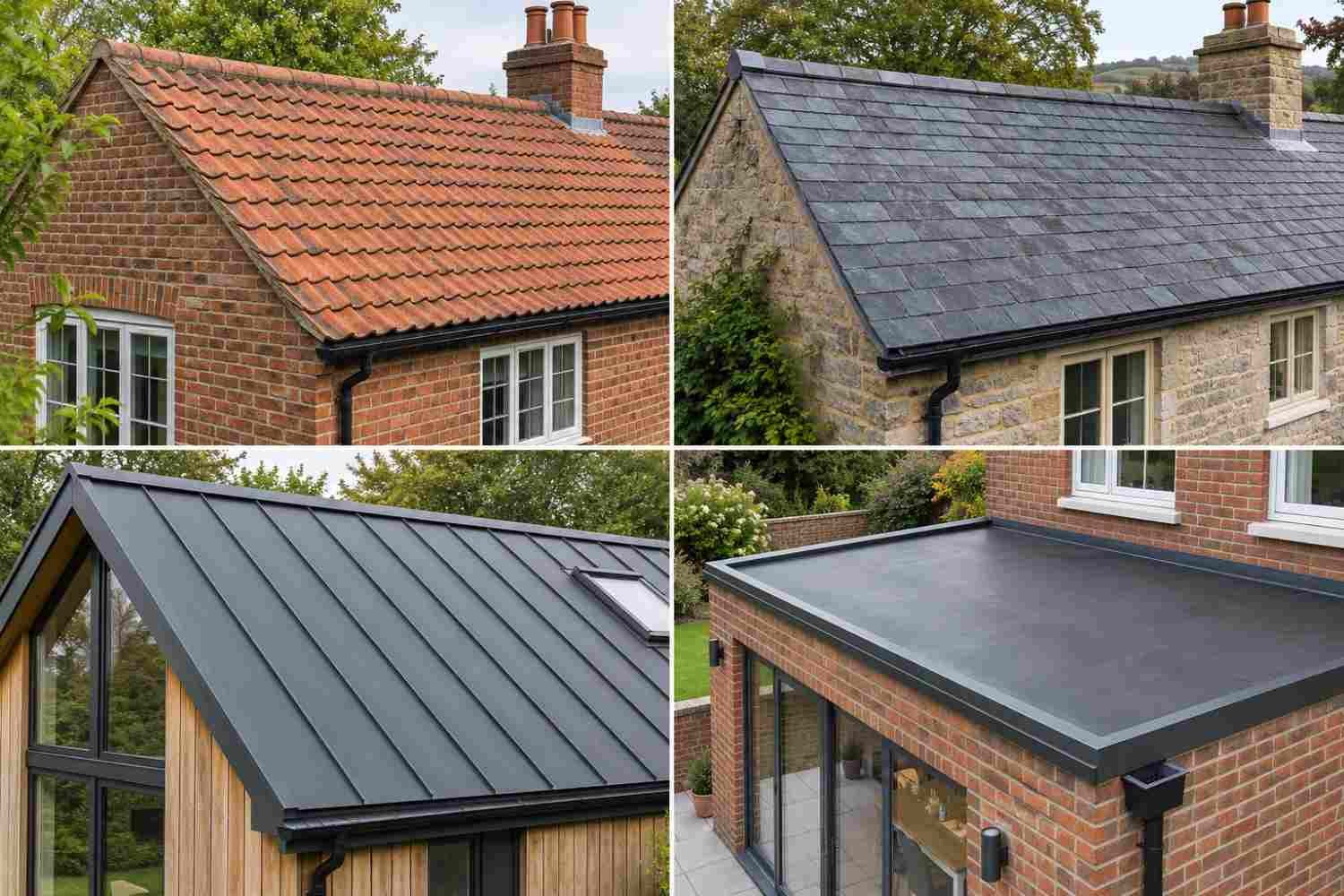
Roofing materials vary in their composition and installation methods. Here are some common options.
Single-Ply Roof
This roofing type is highly popular and is manufactured using flexible sheets comprising synthetic rubber or polymer, as well as glass fiber or polyester reinforcements. These roofs are sturdy yet flexible; hence, they can be installed on flat roofs with curved and free-form shapes.
Cold-Applied Liquid Waterproofing
Cold-Applied Liquid Waterproofing is a technique whereby one applies a liquid membrane onto a surface. There is no need to use heat so you can apply it onto flat roofs, balconies, pathways, etc. To apply it, the waterproofing substance needs to be poured onto the roofing area and spread by roller in order to create a barrier against water. The material is not only versatile and flexible, but it is also able to cover any roof seamlessly due to its liquid form.
Built-up Felt Roofing
Built-up felt roofing is another type of roofing that is very commonly used. Built-up felt roofing consists of several layers of felt material glued together with hot bitumen. This makes it a very long-lasting and durable roofing type suitable for both residential and commercial properties.
Mastic Asphalt Roofing
Mastic asphalt is yet another roofing material used for waterproofing and is among the most sought-after waterproofing materials today. Mastic asphalt is applied in liquid form and is spread evenly to get a flat surface. The dried liquid forms a resilient surface suitable for walking, paving, and making balconies.
Eco-Green Roofs
Beyond providing a green space, this eco-friendly roofing option is increasingly gaining popularity. It serves as an option distinct from traditional roofing materials and makes important contributions to nature. An eco-green roof lies on top of the other roofing system, which thus bears its weight.
An eco-green roof can assist in the mitigation of noise, improvement of air quality, insulation, and wildlife habitat creation. Eco-green roofs are often used on flat and slanted rooftops since they provide the best working-opportunity surface.
EPDM Rubber Roofing
EPDM (Ethylene Propylene Diene Monomer) rubber roofing is an artificial rubber membrane that is used to provide waterproofing and protection from challenging weather conditions, mainly in case of flat roofs or slightly sloped roofs. This is a sturdy and flexible material that is good for use on different types of roofs, including balconies, flat roofs, roofs of porches, garages, carports, and others.
Fibreglass Roofing
Fibreglass roofing adds a solid, durable, and waterproof layer to the roof and thus is popular in residential and commercial buildings alike. The fibreglass roof is made from a composite of glass and fibreglass. Although they are strong, they are not heavy and therefore require no heating when used for installation.
Once you understand the available roofing options, the next step is to consider which one suits your home.
Asphalt Shingle Roofing
Asphalt shingle roofing is a popular choice for residential properties because it is available in different colours and styles. These shingles are installed in overlapping layers to help protect the roof from rain and other weather conditions. They are generally affordable and relatively easy to maintain.
Metal Roofing
Metal coating consists of metals like aluminium, steel, or zinc. It is recognised for its weightlessness, resistance to various weather conditions, and endurance. Depending on the material and processing used, metal coating may also be capable of reflecting sunlight and enhancing energy efficiency.
Slate Roofing
Slate coating consists of natural stones used to manufacture a solid and beautiful surface. This type of coating is often chosen due to its classic style, fireproof properties, and longevity.
Clay and Concrete Tile Roofing
Clay and concrete tile roofs are often used on homes and come in various colours and shapes. They are incredibly versatile, strong, and resist fire and the elements, but can add considerable weight to a structure and demand extra support.
Wood Shingle and Shake Roofing
Wood shingles and shakes are created from timber, providing an organic feel that fits a great number of constructions. Although the shingles are usually machine-cut, the shakes are typically rough and uneven. The longevity of wood tile roofing is dependent on regular upkeep, which helps prevent decay and moisture damage.
How to Choose the Right Roofing Type
Each roofing material has its own characteristics, but choosing one for your home also depends on factors such as climate, budget, and maintenance requirements.
Think About Your House’s Architecture
Your home’s architectural style determines which roof design is best for it. For instance, if your property has a steep roof, then metal roofing, asphalt shingles, and natural or synthetic slate or tiles can be a good option. On the other hand, EPDM, TPO, GRP, Modified Bitumen, and PVC can be suitable choices for flat roofs or slightly sloped roofs. This means that picking a roofing material that matches the style of your home’s architecture leads to the best results.
Budget Factors
The costs associated with different roofing types vary and must be factored into the budget. For instance, shingle roofing might be more economical, while materials such as slate or clay tiles are more expensive. Take into consideration the entire budget instead of just the price of buying roofing materials.
Energy Efficiency
Look into the energy efficiency of your chosen roofing type. Energy-efficient roofing materials like metal and reflective tiles can help you decrease your energy bills since they reflect sunlight and absorb less heat. This factor matters especially in regions where temperatures are high.
Maintenance and Lifespan
Different roofing types require different amounts of maintenance work. When picking a roofing type, you need to think about how much time you are ready to devote to maintaining it. For instance, asphalt shingles are simple to take care of, while materials like slate and wood would need more attention.
Alongside maintenance, in addition, think about how long you are planning to use this roofing type, since some roofing materials are more durable than others.
Local Building Codes and HOA Regulations
Your choice of roofing materials and types may be determined by local building codes as well as Homeowners’ Association (HOA) regulations. Therefore, ensure that you comply with these rules to avoid problems later on.
Environmental Effects
If the environment is important to you, try to select ecologically benign roofing materials. For example, metal roofing and cool roofing materials are examples of environmentally friendly options.
Conclusion
Selecting the right roofing material for your house depends on multiple factors, including the style of your house, climate risks in your area, budget considerations, and long-term maintenance requirements. Different roofing materials offer varying levels of durability, weather resistance, energy efficiency, and sustainability. Ultimately, the best roofing material is the one that meets your home’s n