
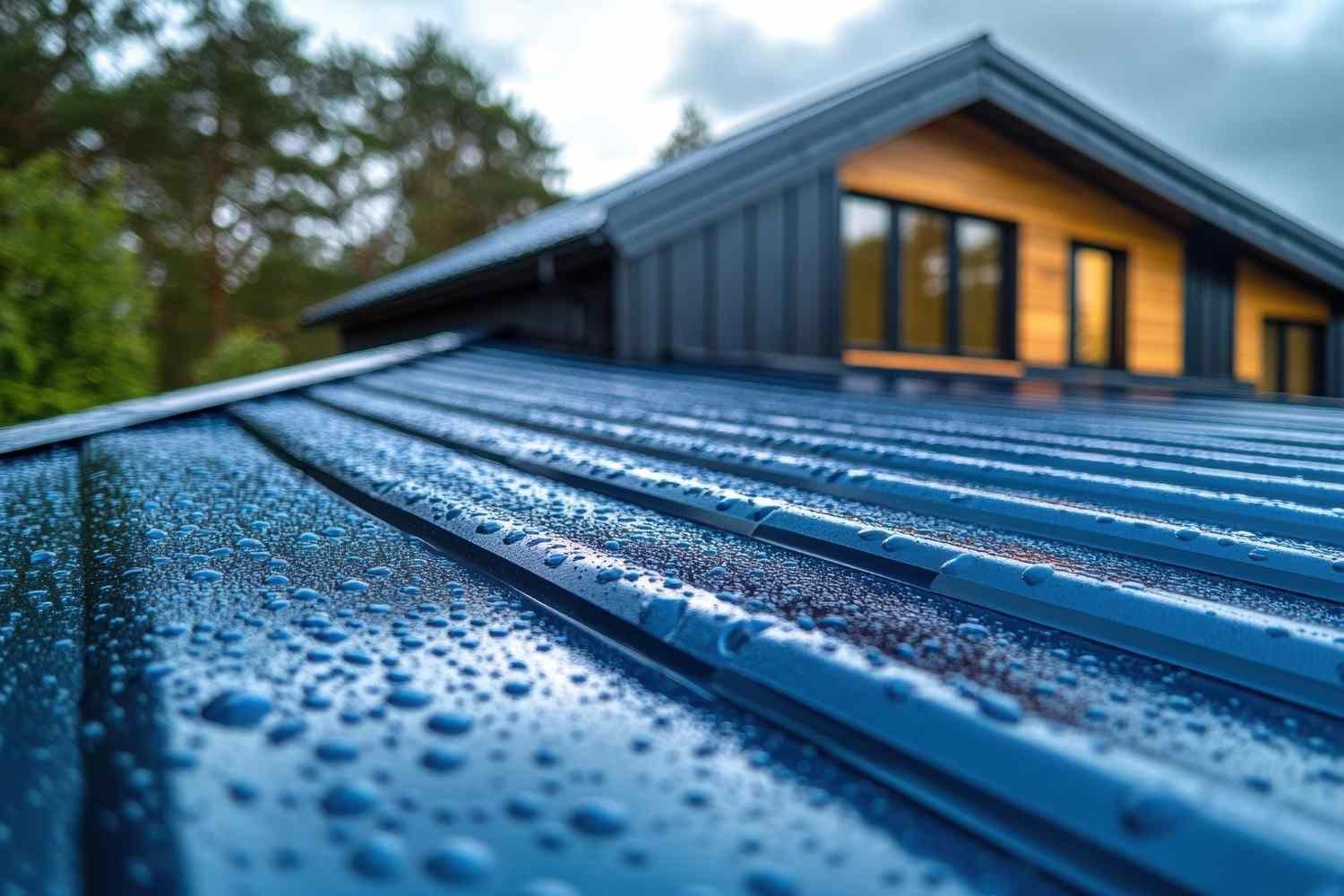
If you are planning a new flat roof or want to upgrade the current one, choosing insulation is a key part of the design. There are two main options available, including a warm roof and a cold roof. The primary difference is where the insulation is placed relative to the roof deck. That difference has a significant impact on thermal performance, damp control, ventilation needs and the way the roof is built.
A warm roof has insulation above the deck, while a cold roof has insulation below the deck, sometimes between the joists. Understanding the difference between these two types of roof construction can help homeowners and builders select the right insulation system that is best for their space, available height, budget, and lasting performance needs.
What Is a Warm Roof?
A warm roof is a roofing system in which insulation is fitted over the roof deck that helps keep the structure warmer. This design prevents heat loss, helps reduce energy consumption and allows you to maintain a comfortable indoor temperature.
Warm roofs are ideal for flat roofs and modern extensions. With the right vapour control layer and waterproofing system, these roofs can achieve strong thermal performance without a ventilated void under the roof deck.
How is Warm Roof insulation installed?
In a warm roof system, insulation is placed on top of the roof deck instead of at ceiling level. This helps maintain indoor warmth and reduces heat loss from the building.
As the insulation extends across the roof deck, the roof structure stays within the insulated section, helping lessen the risk of condensation forming inside the roof structure.
Why Install a Warm Roof?
Improved Energy Efficiency
Warm roofs retain heat by installing insulation over the roof deck, which makes heating more efficient and helps reduce heating costs.
Reduced Risk of Condensation
Insulation above the roof deck helps maintain the temperature of the roof structure. When combined with a properly installed vapour control layer, this can lessen the risk of condensation.
Better Thermal Performance
A continuous layer of insulation helps reduce thermal bridging through the roof structure and keep indoor temperatures more stable.
Flexible Roof Design
Warm roofs are suitable for different flat roof designs and may help avoid reducing the available indoor space.
Potentially Lower Maintenance
A properly designed and installed warm roof can lessen the risk of damage to the roof materials by helping control heat loss and managing moisture. It can also help the roof last longer.
Improved Sound Insulation
Depending on the insulation components and roof construction, a warm roof can help reduce noise from outside.
Reduced Risk of Ice Dams
In cold weather, warm roof construction can help reduce heat loss through the roof. This approach limits uneven snow melting and reduces the risk of ice dams.
Drawbacks of Warm Roofs
Higher Installation Costs
Installing warm roofs is more expensive than other roofing systems, especially for larger buildings. However, good-quality insulation may help reduce energy bills, depending on the building and the quality of insulation.
Increased Roof Height
Placing insulation above the roof deck increases the overall roof height. This may affect the existing roof edges, doors, windows and drainage details.
Suitability for Different Climates
Warm roofs need to be suitable for local climate and building requirements. Poor design and insufficient moisture control can result in overheating or condensation issues.
Existing Roof Condition
Before installing a warm roof over an existing structure, the roof must be examined for leaks, damage and other defects. Any necessary repairs must be completed before new insulation and roofing layers are installed to protect the new roofing system.
Snow and Ice Considerations
In cold weather, improperly installed roof insulation can lead to uneven snow melting and ice dam formation. Proper insulation and careful roof construction help reduce heat loss and lower the risk of ice dams.
What Is a Cold Roof?
A cold roof is a roof design in which insulation is installed between the roof joists. This leaves the roof deck outside the insulated area, where it remains exposed to colder temperatures.
Cold roof construction is common in older buildings and may be used in new buildings where roof height is restricted. However, cold roofs need sensitive moisture control as warm indoor air can move towards the roof’s colder parts. These roofs can lead to condensation if ventilation and vapour control are not adequate.
How is Cold Roof Insulation Installed?
In a cold roof, insulation is placed below the roof deck, typically at ceiling level. This helps retain heat within the rooms below, whereas the roof structure stays cold.
As warm air can carry moisture into colder roof areas, effective ventilation helps manage moisture. Ventilation openings enable air to flow through the roof space and help reduce the risk of condensation.
Benefits of Cold Roofs
Energy Efficiency
Cold roof insulation helps retain heat inside the rooms below, improving energy efficiency and reducing heating costs.
Roof Protection
Appropriate insulation and ventilation can help protect the roof structure from moisture damage and support its longevity.
Moisture Management
Proper ventilation allows moist air to move out of the roof space, which reduces the risk of condensation and mould.
Indoor Comfort
Insulation helps keep rooms at a comfortable temperature by retaining heat during cold weather.
Potential Cost Savings
Lower energy use can minimise heating bills over time, whereas the savings are based on the building and the quality of the installation.
Reduced Environmental Impact
Lower heating demand can reduce energy consumption and related carbon emissions.
Important Considerations
Cold roofs require careful design to manage ventilation and condensation. Local building regulations, climate and the roof’s construction must be considered before selecting this system. You can consult with a trained roofing professional, who can help you choose an appropriate solution.
Choice of Roofing Materials
Cold roofs can be made with different roofing materials based on the roof design and the manufacturer’s instructions.
Drawbacks of Cold Roofs
Lower Thermal Efficiency
Cold roofs may enable more heat to escape when the insulation is too thin, has gaps or is improperly installed, possibly increasing energy bills.
Ventilation Challenges
Cold flat roofs need properly designed ventilation, which can be difficult to achieve in some building structures.
Risk of Condensation and Water Damage
Condensation can form above the insulation without suitable ventilation and moisture control. As time passes, this moisture might cause dampness, mould growth and damage to the roof structure.
Difficult Insulation Upgrades
If you want to improve insulation later, you may need to remove parts of the roof deck, which increases labour requirements and costs.
Thermal Bridging
Roof joists and other structural elements can increase heat loss, reducing the insulation performance.
Warm Roof vs Cold Roof: Features Compared
If you are wondering which type of roof is suitable for your home, it is important to understand the differences between a warm and a cold roof.
| Feature | Warm Roof | Cold Roof |
| Energy Efficiency | High | Lower |
| Insulation Location | Top of the roof structure | Between the rafters |
| Ease Of Installation | Easier | More complex |
| Installation Cost | Higher | Lower |
| Risk Of Condensation | Lower | Higher |
| Ventilation Needed | No | Yes |
| Long-Term Savings | More efficient, reduces heating costs | Less efficient, higher energy costs |
| Roof Height Impact | Increases height | Maintains original height |
Which Roof System is Suitable for your Building?
Warm Roof System
Warm roofs are an ideal option for:
- Loft Conversions
- Flat Roofs
- Energy-Conscious Homes
- Modern Extensions
Cold Roof System
Cold roofs are appropriate for:
- Existing Pitched Roofs with Unused Lofts
- Height-Restricted or Conservation Projects
- Heritage or Listed Buildings
- Areas with Limited Roof Height
Final Thoughts
The choice between a warm roof and a cold roof is generally based on your building design, insulation needs, available roof height and budget. Warm roofs have insulation installed over the roof deck, helping retain heat and reduce the risk of condensation when properly designed. In contrast, cold roofs have insulation installed between the joists below the roof deck and need careful ventilation and moisture control to protect the roof structure.
Before you select one, it is necessary for you to look at the condition of your existing roof, the estimated installation cost, and the long-term performance of each option. At Obsidian Roofing LTD, we have a team of licensed roofers who assess your property and choose a suitable insulation system that supports indoor comfort, energy efficiency and roof durability.