
On This Page Roofing is one of the most important structural components of a house. Installing a roofing material not only protects and insulates your

Roofing is one of the most important structural components of a house. Installing a roofing material not only protects and insulates your roof from the weather but also enhances the aesthetic looks of your house.
There are many roofing materials and types with their benefits. They offer many choices in terms of colours, durability and aesthetic requirements of the building. But in this blog, we will discuss the advantages of lead roofing.
Evidence suggests that lead was discovered almost 6500 years BC. Romans made good use of lead for the first time in construction when they used it in their aqueducts somewhere between 500 BC and 300 AD. Furthermore, Normans have been using it for not only roofing but also for making pipes for their houses.
Advantages of Lead Roofing
Easy to Mould:
Lead is a highly flexible and soft metal and can be moulded into any shape and size required for your purpose. This advantage makes it suitable for multiple applications. Moreover, it has the ability to contract and expand with the change in temperature, which keeps it from cracking.
Resistant:
Roofs are the most exposed area of the building and have to endure all the elements of the atmosphere, such as rain, high temperatures, ultraviolet rays and other organic and inorganic contaminants. They have a high chance of corrosion and deterioration. Lead roofs present high resistance against corrosion and deterioration and can sustain their aesthetics and performance for a very long time.
Durability:
Since lead is a highly resistant metal against corrosion, it also presents flexibility and thermal expansion properties, which eliminate any chance of cracks originating on your roof. These properties make it last much longer than any other roofing material available. Some lead roofs are recorded to be more than 200 years old and haven’t dropped their performance considerably. That is why lead has been used for roofing materials for centuries.
Recyclability:
Lead is one of the most recycled materials on earth. When it reaches the end of its serving period, it can be melted down and reformed again without any drop in its characteristics like endurance and resistance. This also reduces the carbon footprint because you don’t need to burn fossil fuel to process lead ore, as converting it into roofing material burns a lot of fossil fuel.
Aesthetics:
Lead along with all characteristics, presents itself in a clean look that can perfectly work with most buildings, whether they are commercial, residential or even historical. Lead offers a beautiful and elegant look without dominating other architectural aspects.
Sealing:
This is definitely the key property that any roofing material is required to have to serve its true purpose. Lead, due to its high malleability, can be moulded into any shape and can be fitted tightly to seal the moisture out. This also makes it a good choice for flashing and joint covering so that the water cannot make its way through them.
Local Specialists · W6 West London
Lead Roofing in Hammersmith & Fulham: Local Specialists You Can Trust
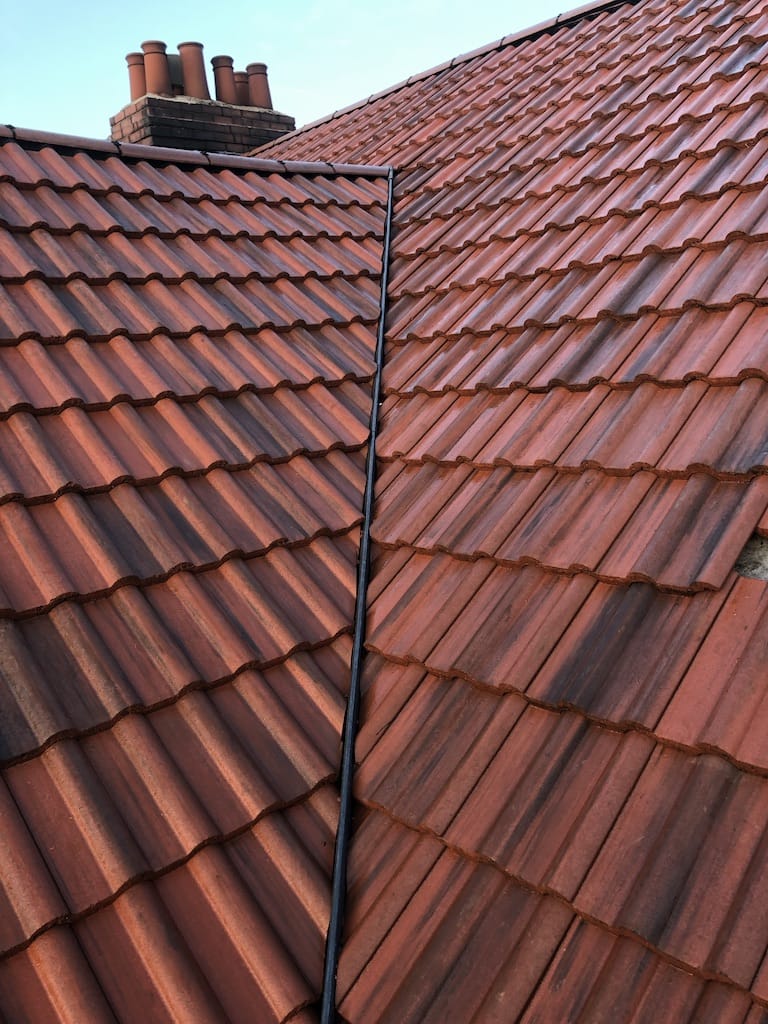
For period properties across West London, the advantages of lead roofing are only as strong as the craftsmen who install it. Victorian and Edwardian terraces in W6 demand leadwork that respects a building's heritage while delivering modern weatherproofing performance — from chimney back-gutters and soakers to parapet capping, valley gutters and lead flashings around bay windows.
Done correctly, lead seamlessly ties together the slate tiles, ridge lines and chimney stacks that define these rooftops — and its 100+ year lifespan means the joints will outlast most other components on the roof.
Our team brings over 15 years of specialist experience to these rooftops, combining traditional sand-cast lead techniques with full Building Regulation compliance. If you own a home in the borough, our Hammersmith & Fulham Roofing Specialists service covers everything from a single flashing repair to a full lead roof restoration — with free same-day inspections and honest, no-obligation quotes tailored to your property's age, listing status and character.
Request your free inspectionCall Us To Get a Quick Response

Why Installing Lead Rood is not a DIY Job?
Risk of Injury:
It requires some safety measurements and professional experience to work on a roof. Doing your roof job yourself without any experience and precaution poses a serious threat of injury. In fact, most roofing accidents occur because people try to install the roof themselves.
Poor Workmanship:
Roofing may seem simple, but it requires a specific set of expertise and skills. It seeks precision to work as an effective waterproof membrane for your roof. If you don’t do it properly, you may end up damaging your roof due to a leaking problem. This will cost you even more than you tried to save by doing your roofing yourself.
Aesthetics:
Roofing not only shields you from the weather but also adds to the aesthetic value of your house. If you try to install your roofing, you may not get the finishing looks as good as a professional can provide. It is also possible that you will end up messing up the whole look of your house.
Right Tools:
Roofing needs many specialised tools to deliver a fine and eye-pleasing job. Likely, you will not have those sets of tools at your home. Furthermore, if you are thinking of buying your tools, we advise you to rethink it because it will increase your cost and make this process even more expensive than hiring a professional to install your roof.